
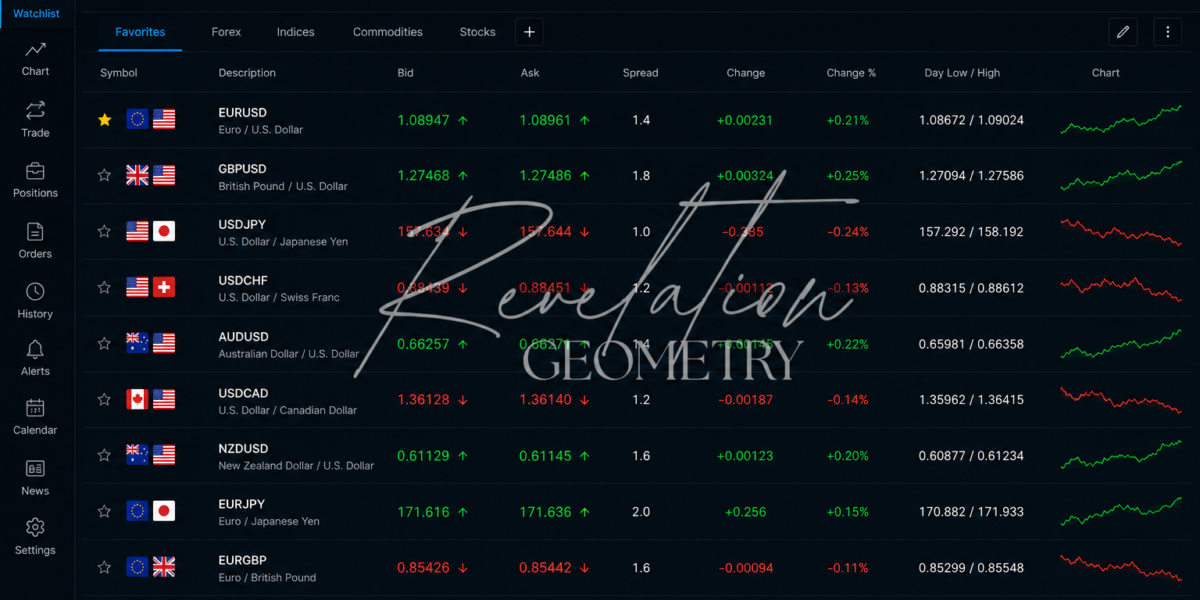
Open any forex broker’s platform for the first time and you’ll see a long list of currency pairs, dozens of them, all with strange three-letter codes. It’s overwhelming if you don’t know what you’re looking at.
Here’s the good news: you don’t need to trade all of them. In fact, most successful traders stick to a handful of pairs they know well.
Let’s break down what these pairs actually mean and which ones make the most sense for you to start with.
What is a Currency Pair?
Quick refresher from our last article: currencies are always traded in pairs because you’re simultaneously buying one currency and selling another.
Every pair has a base currency (first) and a quote currency (second).
In USD/NGN, USD is the base currency and NGN is the quote currency. The pair tells you how much NGN is needed to buy 1 USD.
Now that’s settled, let’s get into the categories.
Major Pairs — The Heavyweights
Major pairs are the most traded currency pairs in the world. They all involve the US Dollar paired against another large, stable economy’s currency.
The seven major pairs are:
| Pair | Name |
|---|---|
| EUR/USD | Euro / US Dollar |
| GBP/USD | British Pound / US Dollar |
| USD/JPY | US Dollar / Japanese Yen |
| USD/CHF | US Dollar / Swiss Franc |
| AUD/USD | Australian Dollar / US Dollar |
| USD/CAD | US Dollar / Canadian Dollar |
| NZD/USD | New Zealand Dollar / US Dollar |
Why these matter: Major pairs have the highest liquidity in the entire forex market. That means tighter spreads (cheaper to trade), faster execution, and tons of available data and analysis to study. For beginners, this combination makes major pairs the safest place to start learning.
EUR/USD alone accounts for a massive chunk of all daily forex trading volume. It’s nicknamed “the Fiber” by traders and is widely considered the most beginner-friendly pair to learn on.
Minor Pairs — Still Big, Just No Dollar
Minor pairs (also called cross pairs) involve two major currencies but without the US Dollar in the mix.
Examples:
| Pair | Name |
|---|---|
| EUR/GBP | Euro / British Pound |
| GBP/JPY | British Pound / Japanese Yen |
| EUR/JPY | Euro / Japanese Yen |
| AUD/CAD | Australian Dollar / Canadian Dollar |
Why these matter: Minor pairs still have decent liquidity, but spreads are typically a bit wider than majors. They can be useful once you understand how two non-Dollar economies relate to each other, but they’re generally not where beginners should start.
Exotic Pairs — Where the Naira Lives
Exotic pairs combine a major currency (like USD or EUR) with the currency of a smaller or emerging market economy.
This is where USD/NGN sits.
Other examples:
| Pair | Name |
|---|---|
| USD/NGN | US Dollar / Nigerian Naira |
| USD/ZAR | US Dollar / South African Rand |
| USD/TRY | US Dollar / Turkish Lira |
| USD/EGP | US Dollar / Egyptian Pound |
Why these matter and why you should be careful:
Exotic pairs come with two things beginners need to respect: wider spreads and higher volatility.
Because fewer people trade exotic pairs compared to majors, liquidity is lower. Lower liquidity means brokers charge wider spreads to compensate for the added risk of holding these currencies. It also means prices can swing more sharply on relatively small amounts of trading activity.
USD/NGN specifically can also be affected by factors that don’t apply to major pairs at all — central bank policy changes, oil price shifts (since Nigeria’s economy is heavily oil-dependent), and government FX interventions. These add a layer of unpredictability that EUR/USD simply doesn’t have.
This doesn’t mean you should avoid USD/NGN plenty of Nigerian traders watch it closely because it directly affects their daily life. But it does mean you should approach it with extra caution, especially early on.
So Which Pairs Should You Actually Focus On as a Beginner?
Here’s a straightforward recommendation:
Start with 1–2 major pairs. EUR/USD and GBP/USD are the most commonly recommended starting points for beginners worldwide and for good reason. They’re liquid, well-documented, and behave in relatively predictable patterns tied to clear economic data.
Learn one pair deeply before adding more. A common beginner mistake is jumping between 5+ pairs, trying to catch every opportunity. This spreads your attention thin. Pick one pair, study its behaviour for a few weeks, how it reacts to news, what time of day it moves most before adding a second.
Watch USD/NGN, even if you don’t trade it yet. Given where you’re based, understanding USD/NGN movements is valuable context even purely for personal financial awareness. As you grow more experienced, it can become part of your trading mix.
Avoid exotic pairs early on. The wider spreads and unpredictable swings can eat into a beginner account fast. Build your skills on majors first.
A Quick Way to Remember the Categories
Think of it like this:
- Majors = The big, well-known roads. Heavy traffic, smooth, predictable.
- Minors = Side streets. Still solid, a bit quieter.
- Exotics = Unmarked roads in areas you don’t know well yet. Possible, but you need more experience to navigate safely.
You wouldn’t start a long road trip on the unmarked roads. Same logic applies here.
Currency pairs fall into three categories Majors, Minors, and Exotics based on how widely traded they are and how stable the underlying economies tend to be. As a beginner, your best path forward is starting with one or two major pairs like EUR/USD, mastering how they behave, and only branching out once you’ve built real experience.
USD/NGN matters to you personally, and it’s worth watching but treat it with the caution it deserves.
👉 Next up: What is a Pip, Lot, and Spread? The Building Blocks of Every Forex Trade